
Why Moodle Continues to Win: The Open-Source LMS That’s Changing Online Learning
In the ever-evolving landscape of online education, choosing the right Learning Management System (LMS) can make or break your digital learning experience. Whether you’re managing a university, training a global team, or launching your own course platform, your LMS is the backbone of your success.
With so many platforms out there, it’s easy to feel overwhelmed. But one platform consistently stands out—for reasons that go beyond the buzzwords. That LMS is Moodle.
Let’s break it down and see why it has become the platform of choice for millions—and why it might just be the perfect fit for your institution too.
The Big Players in the LMS World
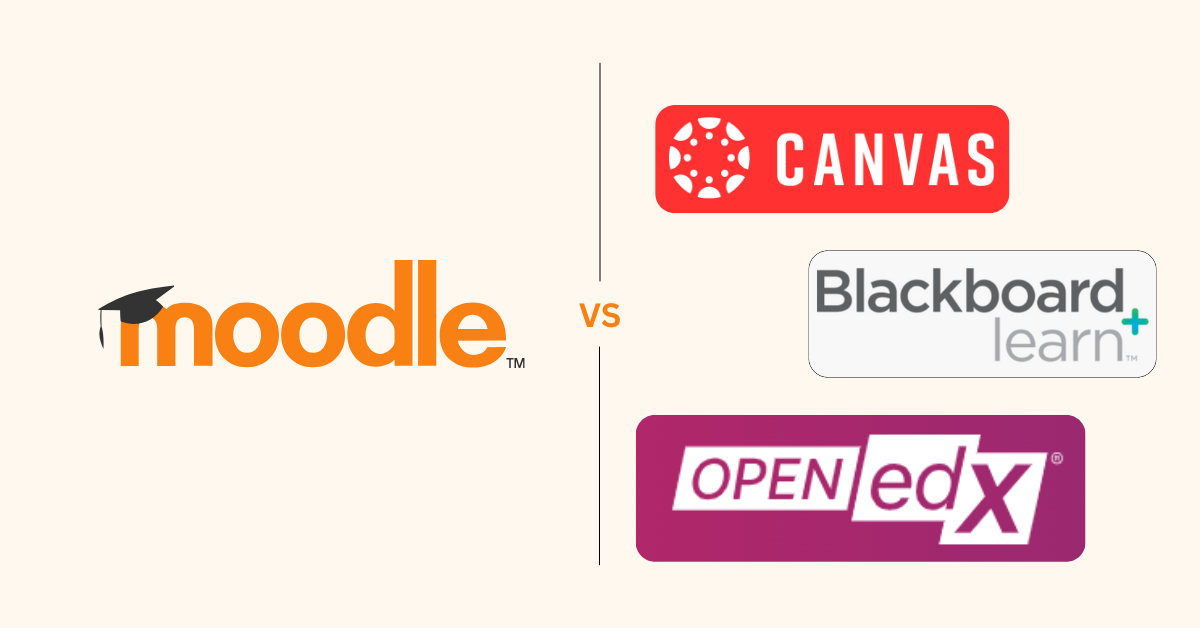
Blackboard
Blackboard has been a staple in higher education for years. It’s known for its enterprise-level tools, robust reporting, and integrations with student information systems. It’s a powerful platform, but its cost and complexity can be intimidating for smaller institutions.
Canvas
Canvas has grown rapidly thanks to its modern, user-friendly interface. It’s cloud-based, sleek, and intuitive—especially loved by educators who want an easy learning curve. However, many find it limited when it comes to deep customization or integration beyond what’s provided.
Moodle
Moodle’s story is different. Born from a mission to provide accessible and flexible education, it is open-source, community-powered, and completely free to download and use. Today, it’s used by over 300 million users across 240+ countries. That’s not a small footprint—it’s a global movement.
Moodle’s Secret Weapon: Open Source
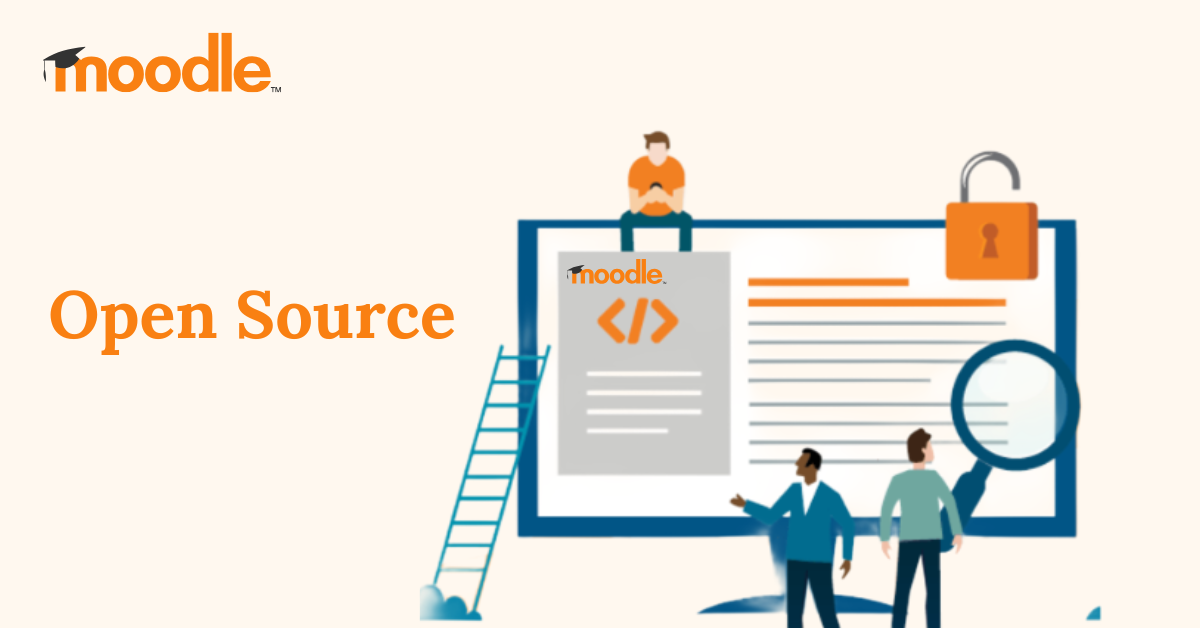
You’ve probably heard the term “open-source,” but what does it really mean in the world of LMS?
Moodle’s open-source nature means anyone can download, use, modify, and share it—for free. No hefty licensing fees. No vendor lock-ins. Just pure educational freedom.
Why is that a big deal?
- Cost-Effective: Forget expensive contracts. Moodle keeps things affordable without compromising on power.
- Transparent and Secure: Anyone can inspect the code. This makes it more secure, not less—because vulnerabilities are found and fixed fast.
- Community-Driven Innovation: Developers, educators, and users from around the world contribute ideas, improvements, and plugins. You’re not stuck waiting for one company to decide what comes next.
Compare that to Blackboard or Canvas, where your ability to adapt or expand depends on the vendor’s priorities.
Built for Flexibility
One of Moodle’s biggest strengths is its customization. Want a unique look? Custom themes. Need specific features? Over 2,000 plugins. Have a developer? You can modify the source code directly.
Even better, it integrates well with third-party tools—Zoom, Google Workspace, Microsoft Teams, you name it.
Meanwhile, platforms like Canvas offer clean templates but fewer options for deep customization. Blackboard is customizable, but not without added cost or complexity.
The User Experience
Moodle has made big strides in user design. Its student-centric interface is clean, mobile-friendly, and supported by a powerful mobile app.
Blackboard has modernized in recent years but still gets mixed reviews for being too “clunky.” Canvas, on the other hand, wins high marks for its simplicity—though some say it oversimplifies, limiting creativity.
Moodle gives you the best of both worlds: an interface that works for learners and the ability to tailor it your way.
Everything You Need, All in One Place
Moodle comes packed with features:
- Course creation tools that support rich media, quizzes, and flexible formats
- Grading and assessment systems with rubrics, feedback, and scales
- Discussion forums, messaging, and collaboration tools
- Learning analytics to track progress and performance
- Built-in accessibility tools, including the Brickfield Accessibility Starter Toolkit
It’s as feature-rich as Blackboard, and often more adaptable than Canvas.
Ready to Scale
Whether you’re teaching 50 students or 50,000, Moodle is built to scale.
You can host it yourself (great for full control) or choose cloud-based Moodle partners for convenience and performance. It’s flexible enough to grow with your needs.
A Community That Has Your Back
Moodle has something the others don’t: a massive, global community. Thousands of developers, educators, and instructional designers contribute to forums, build plugins, and share their expertise. You’re never alone.
Support isn’t limited to a single help desk. It’s global. It’s collaborative. It’s open.
The Cost Factor
Let’s talk money.
With Moodle, your biggest investment is in setup and support—not licensing. That means you can allocate your budget toward quality course design, training, and development—not just software access.
Canvas and Blackboard offer powerful features—but they come with premium pricing, ongoing subscription fees, and add-on costs that can grow fast.
Built for the Future
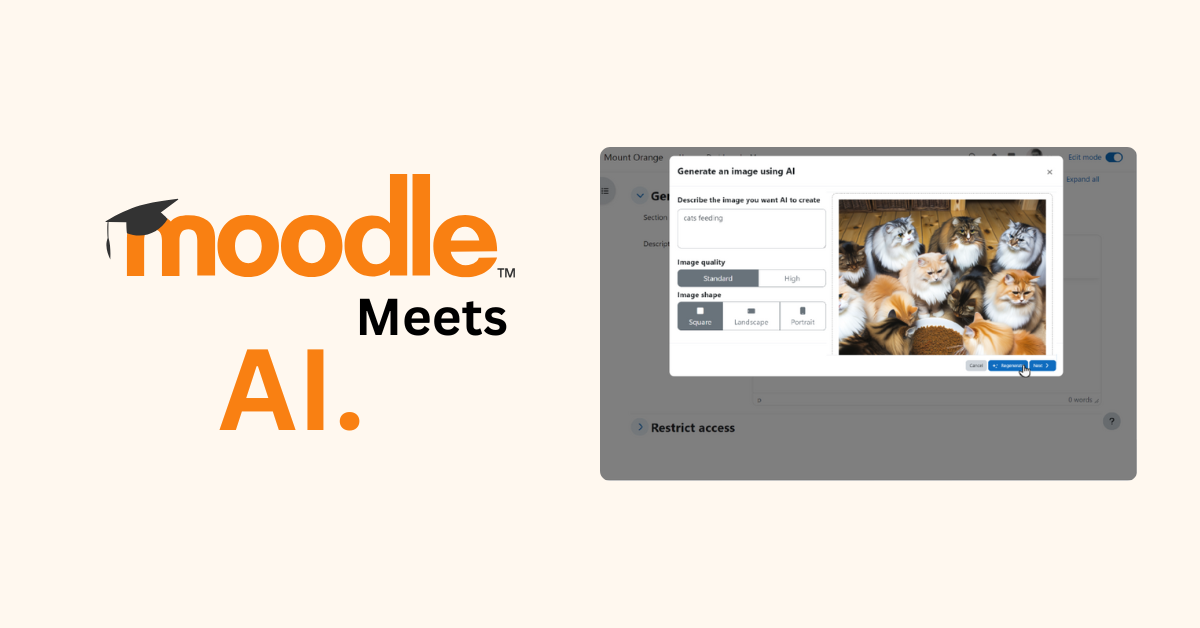
Moodle doesn’t just keep up—it leads.
It’s already integrating AI tools like ChatGPT and Azure AI to support instructors and learners. From smart course recommendations to automated feedback, Moodle is embracing what’s next in edtech.
Its open-source model means it adapts faster than closed systems—keeping your platform fresh and future-ready.
Real Institutions, Real Results
From small schools to global universities, this lms powers learning experiences that are personalized, scalable, and impactful.
Institutions like the Open University, UNESCO, and countless others rely on Moodle to deliver learning that works—no matter the size or structure.
Canvas and Blackboard may dominate headlines, but Moodle wins where it matters most: control, cost, and community.
Final Thoughts: Why Moodle Might Be Right for You
Moodle isn’t just another LMS. It’s a philosophy, a community, and a platform rolled into one.
If you value flexibility, transparency, and the ability to truly own your learning experience—Moodle is hard to beat.
So before you lock yourself into a pricey LMS contract, take a look at Moodle. You might find that everything you need is already here—open, free, and ready for you to make it your own.
Ready to explore Moodle? Dive into the world of open learning and see what your LMS could be.
Liked our blog? Discover more such content by visiting our blog page.